
History of Coach Bags Honest Review Inside

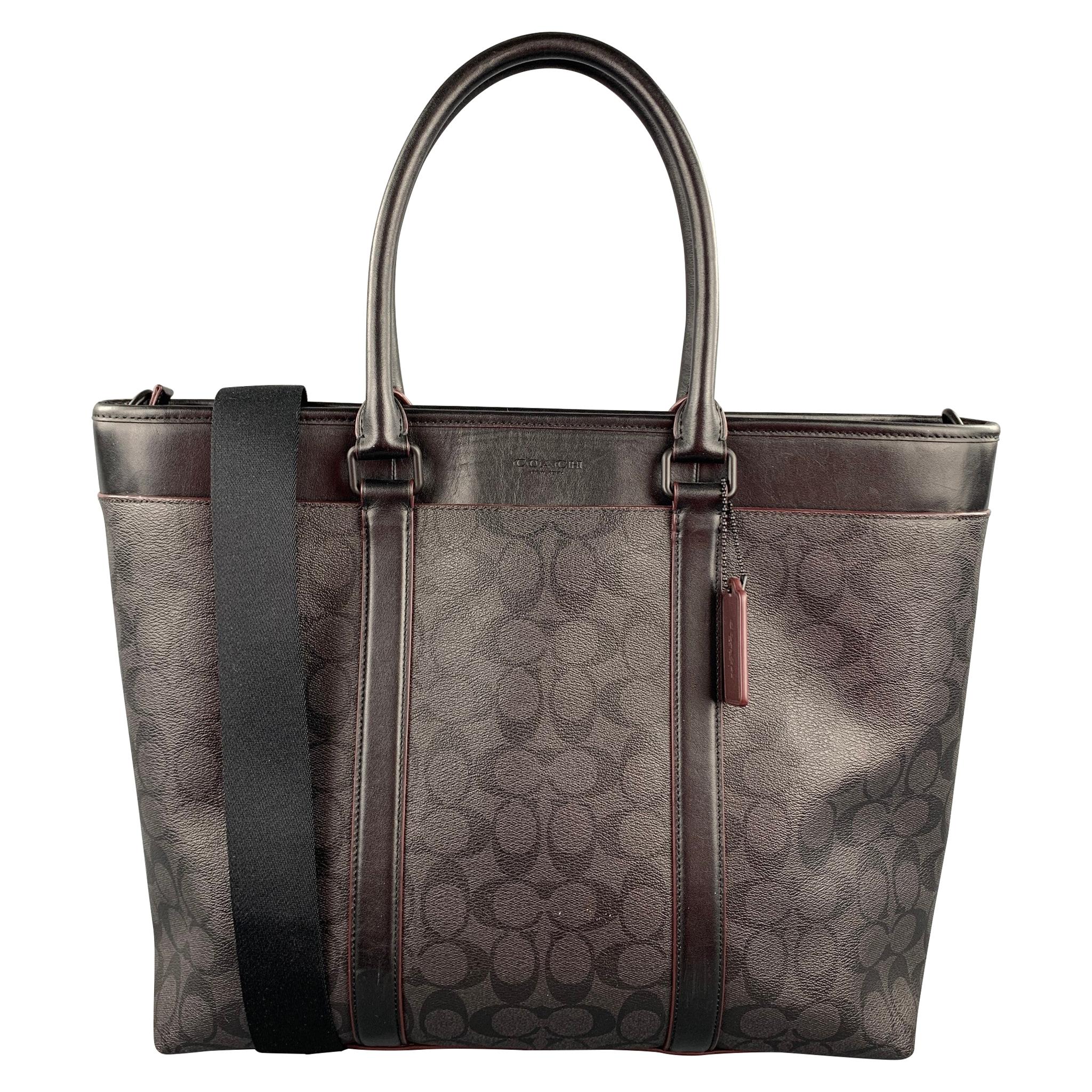
Coach Outlet Explained and How It Contrasts With Coach Boutiques

Hardly any questions about shopping Coach create as much confusion as the outlet. Some buyers presume that coach outlet stock must be fake, while others think it is only unsold stock from last season’s boutiques. Neither view holds up; the true picture is more nuanced than either. Six beliefs about Coach Outlet are checked in this guide against the evidence available in 2026, once the guide has explained what this channel really is. If the evidence is dated or missing, that is stated openly rather than guessed around. Every price and discount cited below is an observed or advertised figure, rather than an official list of prices or a commitment of future deals. The goal is that, by the end, you can judge exactly what you are buying whenever a coach bag comes from an outlet rather than a boutique.

Defining Coach Outlet

Coach Outlet is in no sense a standalone company using the name; it is Coach’s own official channel. It has physical Coach Outlet stores, plus an official online outlet section hosted on Coach’s own website in the US and in the UK. That distinguishes Coach from brands that offer no online outlet at all. As Coach has noted, some outlet styles are online-only exclusives and cannot be found in stores. In 2026, Tapestry, the parent of Coach, owns only two brands, those being Coach and Kate Spade. In a deal that closed on 4 August 2025, Tapestry sold Stuart Weitzman to Caleres. The planned purchase of Capri Holdings was halted when a US federal court granted the FTC a preliminary injunction on 24 October 2024, and the agreement was terminated on 14 November 2024, so the purchase was never completed and Tapestry owns no Michael Kors, Versace or Jimmy Choo.

Outlet Myth Versus the Facts in Summary

The table sums up six beliefs about Coach Outlet and how every one fares. Several claims are partly true and partly overstated, which is why the verdict column is intentionally cautious. Where a belief is marked wrong, what Coach itself has said or clearly documented facts refute it. A belief marked overstated holds a grain of truth but stretches further than coach outlet uk the evidence allows. For a closer look at each verdict, see the sections further down. Before you decide whether an outlet bag or a boutique bag suits you better, read them.

The belief What the evidence shows Our verdict
Coach Outlet is a fake or grey-market operation Coach’s own official channel, running both stores and an official online outlet Wrong
Outlet stock is just boutique overstock Coach put the made-for-outlet share at around 85% in 2014; today’s share is unknown Wrong as a general statement
Outlet bags are inferior Differences have been reported on some styles but not proven across the range Overstated
Boutique and outlet bags are exactly the same Different materials are reportedly used in certain made-for-outlet items Overstated on current evidence
An F prefix points to a fake On genuine made-for-outlet pieces made before about 2020, F marked the channel and is not a sign of a counterfeit Wrong
Markdowns at the outlet are locked in and guaranteed Advertised deals shift and follow no confirmed calendar Wrong

Myth: Coach Outlet Sells Fakes or Grey-Market Goods

This belief does the most damage, as it steers shoppers away from the genuine outlet and toward riskier sellers. Coach’s store locator lists its outlet stores as Coach Outlet, and Coach’s brand-protection guidance lists its retail and outlet stores among authentic sources. The management team at Tapestry also covers outlet strategy on its earnings calls, which would hardly make sense if the outlet were an unofficial operation. The official online outlet sits on Coach’s own website, so there is no need to use a third-party site to get outlet prices. The actual threat is posed by fake sites, which borrow the Coach Outlet name while having nothing to do with Coach. A site that is not Coach’s own website but offers 70 to 90% off everything follows that scam pattern.

Busting the Myth That Outlet Stock Is Nothing but Boutique Overstock

The overstock idea is tempting, but that has not been the main model. In 2014, Coach’s head of investor relations stated around 85% of outlet merchandise was made-for-outlet, meaning designed and produced for the outlet channel. Now more than a decade old, that figure has no update, as no current Tapestry disclosure of the mix turned up. Since 2025, Coach has also been placing some full-price collection product into outlets under what Tapestry describes as a One Coach approach. The outlet assortment has also been reported to include archive and previous-season styles. Nobody can honestly state what the current made-for-outlet share is; it is unknown. Even so, it is clear that describing outlet stock as just boutique overstock is wrong as a general rule.

Myth: Outlet Bags Are Inferior, or Exactly the Same

On this point, two opposite claims do the rounds, and both go further than the evidence. As reported in consumer blogs and social media comparisons, some made-for-outlet items use lower-grade leather or coated canvas, lighter hardware and more basic zips or linings. By contrast, other commentators say that outlet goods are genuine Coach products with the same Coach warranty and that differences vary by style. No public Coach specification comparison between outlet and boutique versions turned up. One reported difference concerns how Coach treats the channels: its (Re)Loved trade-in initiative is reported to exclude outlet items. Any bag should be judged on its own materials, construction and listing details, in practical terms. Compare like for like rather than taking it for granted that all outlet coach handbags are better or worse.

What the F Prefix Signals and What It Cannot Tell You

Within limits, style numbers on older Coach bags can reveal the channel they were made for. Made-for-outlet style numbers began with the letter F before about 2020, placed after the dash on the creed. That F signals a genuine made-for-outlet item, and it does not mean the bag is fake. Around 2020, Coach switched to new style-number formats, which makes the F signal unreliable for newer bags. For recent purchases, the best signal is where the bag was bought, be it a Coach Outlet store or the official online outlet. For customers, Coach says it does not authenticate bags or check serial numbers. Save your receipt or order confirmation, because the point of sale is the most useful evidence you are likely to have.
The Myth That Outlet Discounts Are Set and Guaranteed

While Coach Outlet promotions are real, they are no timetable and no promise. Deals priced from $35 and promotions of up to 70% off have appeared in the outlet’s advertising. Any given bag may carry a smaller discount or none at all, because those are advertised figures. Calendars on coupon sites that give fixed sale dates are unverified, and no fixed sale dates could be confirmed. Outlet reference prices may differ from what a boutique charged, which makes cross-channel percentage comparisons misleading. The same caution applies to a coach bags sale on the full-price website, where markdowns rotate through selected styles. Judge the price you are actually offered, not the percentage on the banner.

Coach Outlet in the UK

Physical as well as online options are open to British buyers. Confirmed Coach Outlet stores sit at Bicester Village in Oxfordshire, Cheshire Oaks Designer Outlet in Ellesmere Port and Ashford Designer Outlet in Kent. A store at York Designer Outlet has also been reported, but it could not be confirmed for this guide, so check before you travel. Coach’s UK website also carries an official online outlet section, priced in pounds. A shopper who types couch outlet when searching for these stores should check that the page they land on is the store locator on Coach’s own website. There is no VAT refund on in-store purchases, because tourist tax-free shopping in Great Britain ended on 1 January 2021. As in the US, the UK outlet is Coach’s own channel, not a different discount business.
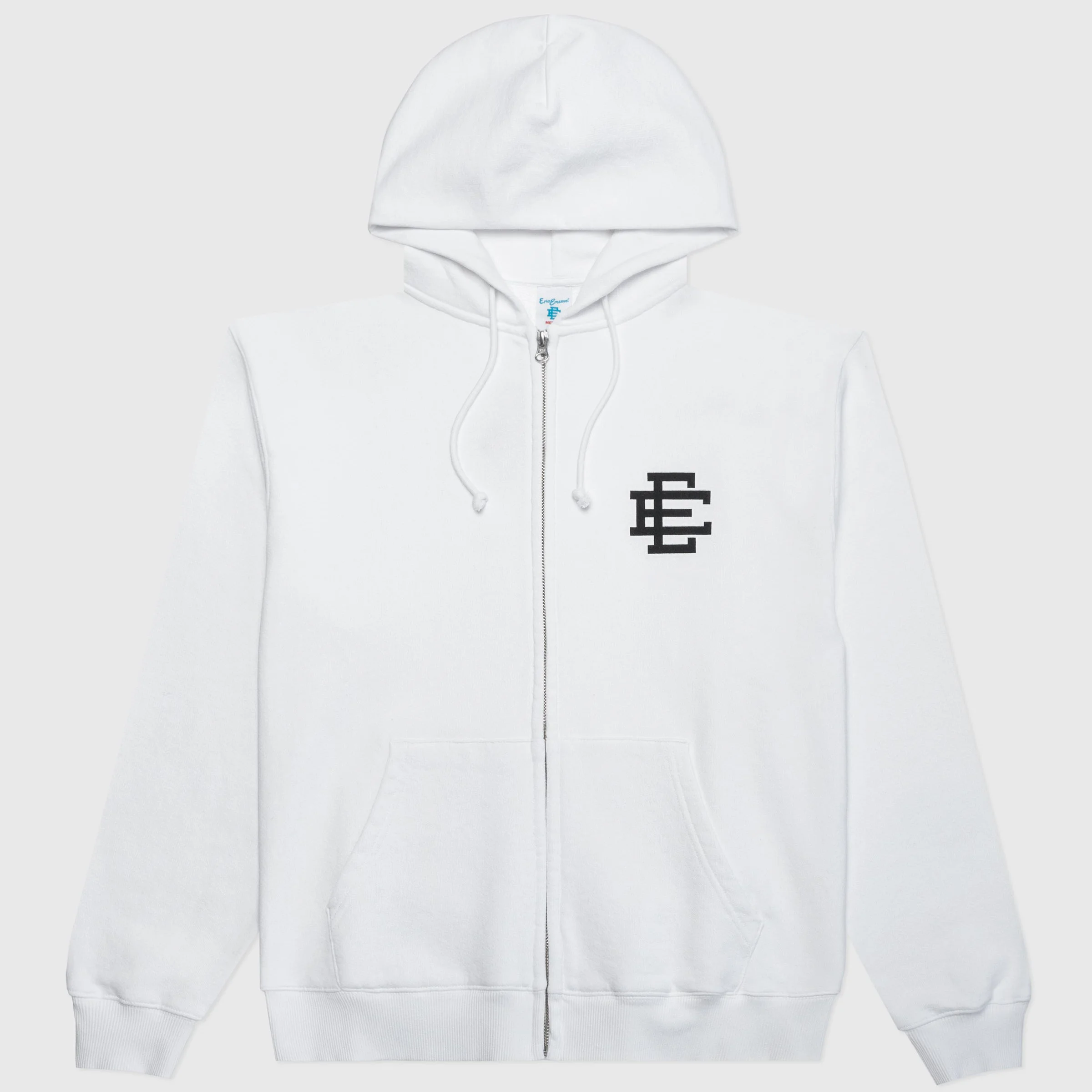
EE Hoodie Sizing Guide Celebrity Approved

Eric Emanuel Shorts Authenticity Check: Genuine vs Counterfeit

Eric Emanuel shorts (often typed as «ee shorts» or alternatively shortened to «ee short» in resale listings) have emerged as among the most replicated items in streetwear. This mesh-based basketball short, constructed using the label’s hallmark heavyweight fabric and generously sized silhouette, sells out in mere minutes on the eric emanuel official website, which nudges shoppers toward resale channels full of knockoffs. Across the eric emanuel bape shorts collabs, the Yankees and Knicks league editions, and the regular color releases like black ee shorts, camo ee shorts, and blue eric emanuel shorts, there’s a lot for a counterfeiter to copy — and plenty of room for buyers to make mistakes. This guide breaks down exactly what separates eric emanuel shorts real pairs from fakes, so you can purchase without doubt whether you’re after men’s ee shorts, eric emanuel shorts kids, or eric emanuel youth shorts.

The Reasons Eric Emanuel Shorts Are So Frequently Counterfeited

The EE label forged its reputation on limited supply. Releases are restricted, replenishments rarely happen, and certain colorways like the white ee shorts or the black and white eric emanuel shorts disappear off the eric emanuel official website in less than sixty minutes. This limited availability fuels demand on secondhand marketplaces, and demand creates an opening for counterfeiters. Type in «eric emanuel shorts amazon» and you’ll turn up dozens of listings leveraging the EE name without accuracy, some blatantly spelling it wrong as «erik emmanuel,» «erica emanuel,» or «edward emanuel shorts» to evade trademark filters while still appearing in search rankings.

Joint-release pieces suffer the most. The eric emanuel bape shorts line, the eric emanuel yankees shorts, and eric emanuel knicks editions feature licensed branding from MLB, the NBA, and Bape itself, which means a fake has to copy both logos accurately instead of just one. Nearly every counterfeit botches one or the other. Kids’ and youth sizing is another soft spot — eric emanuel shorts kids and eric emanuel shorts youth pairs are manufactured in reduced quantities, so when you see a surge of «youth size» listings at prices that seem too good to be true, that’s worth https://eeshortsstore.com/clothing/sweatshirt/ stopping to question.

Material, Heft, and Seams: The Initial Authenticity Check

Authentic ee shorts are constructed with a dense mesh fabric that has noticeable structure — it holds its shape or feel cheap when you squeeze it in your palm. Counterfeits usually rely on a thinner, glossier mesh because it costs less to manufacture in bulk. Check the shorts against a light source: genuine emanuel shorts have a denser, more even weave pattern, while counterfeit pairs often show inconsistent mesh-hole spacing, particularly near the side seams.

The way it’s sewn carries the rest of the narrative. Authentic eric emanuel shorts, on close inspection, show double-stitched hems on the leg openings and waistband, matched thread color, and zero stray or unraveling threads near the drawstring grommets. On knockoffs, you’ll frequently find single-stitch construction, a mismatched thread shade, or a waistband that puckers instead of staying smooth. Another clue lies in the drawstring: authentic pairs use a cord with metal-capped aglets that come across as solid, not flimsy plastic that gives way under light pressure.

Logo Positioning and Print Quality

The embroidered or printed EE insignia is the point at which most knockoffs fall apart under close inspection. On legitimate basketball shorts eric emanuel, the emblem is placed in a uniform spot along the left leg, showing neat borders and no bleeding into the nearby mesh material. Counterfeit ee shorts men’s units frequently display slightly blurred lettering, irregular thread thickness on embroidered styles, or a logo that’s a bit off in scale relative to verified retail photos.

Drops tied to specific colorways are especially easy to cross-check. The eric emanuel white skyline design, for example, has a clearly defined city-skyline graphic that fakes tend to water down or misshape — silhouettes missing architectural detail or mis-scaled outlines are a clear indicator. Along the same lines, the eric emanuel shorts in black and red and the ee shorts new york city black editions carry city-specific text and graphics that replicas frequently misalign or crop incorrectly near the hem.

The Way We Label, Mark, and Package Every Item

Every legitimate EE piece ships with a care label sewn into the inner waistband listing fabric content and washing instructions in a specific font the brand has used consistently across recent seasons. Fakes often use a generic font or place the label crookedly, sewn in at an angle rather than flat. Check also for a size tag — real men’s ee shorts and kids’ sizing tags use consistent, brand-standard sizing abbreviations, not the vague «one size fits most» language some counterfeit listings default to.

If the shorts arrive in packaging, examine the poly bag or box. Genuine retail packaging from the eric emanuel official website or authorized stockists uses consistent branding elements, while third-party sellers pushing fakes often reuse generic streetwear packaging or skip it entirely and ship items in plain bags with no hangtag at all.

Too Cheap a Price? Question It

Authentic eric emanuel shorts, covering both the ee sweatsuit sets and the standalone shorts, sit at a premium price point that reflects restricted production volumes and premium-weight materials. Any post advertising «real ee shorts» at well below the going retail rate should set off alarm bells immediately. This applies most strongly to hyped pairs like eric emanuel bape shorts or eric emanuel yankees editions, which carry licensing costs on top of production costs — a deep discount on this specific lineup is one of the surest signs of counterfeits in the whole marketplace.

Postings that lump multiple «designer shorts» brands together at marked-down prices, or third-party Amazon sellers offering unbranded «e shorts» that vaguely resemble the EE silhouette, are almost never sourced from Eric Emanuel or authorized partners. If a seller can’t tell you which official drop or season a pair comes from, that’s a gap worth noticing.

Real vs Fake Compared: At-a-Glance Guide

Characteristic Authentic Eric Emanuel Shorts Common Fake Signs
Mesh fabric Heavyweight, structured, consistent weave Flimsy, shiny, irregular perforation
Stitching Dual-stitched edges with thread tone that matches Single stitch, off-color thread, fraying
Drawstring Firm cord featuring metal-tipped ends Lightweight cord with hollow plastic aglets
Logo placement Uniform placement, sharp clean lines Smudged edges, poor alignment, mismatched proportions
Care label Standard brand typeface, flush stitching Basic font, slanted or misaligned label
Price point Falls within the expected retail range Unusually low, especially on collab pairs
Seller info Able to verify the drop, season, and style name Vague listing, no drop details

Special Cases: Collab Releases, Kids’ Fits, and Licensed Team Versions

The eric emanuel bape shorts collaboration calls for extra-close inspection because it merges two widely faked brands into one product. Inspect the EE branding and Bape camo design as two separate elements — a fake might succeed on one detail but fail the other, particularly around the camo pattern’s alignment along the side seams on camo ee shorts variants. Genuine collab pairs also tend to include documentation or authentication cards in early releases, though this has varied by drop.

When it comes to eric emanuel shorts kids and eric emanuel youth shorts, consistent sizing matters far more than most shoppers realize. Youth cuts follow proportional sizing to the adult men’s ee shorts line rather than being a randomly scaled-down version, so a youth pair that looks off in its proportions — like an out-of-proportion logo compared to the shorts themselves — likely isn’t genuine. League editions, including eric emanuel yankees and eric emanuel knicks shorts, must show properly licensed team marks; blurry team logos or incorrect team color shades are dead giveaways since licensed manufacturing has stricter print quality controls than counterfeit operations can match.

Shopping With Confidence

The safest route remains the eric emanuel official website and verified authorized retailers, who carry accurate stock of current colorways — from black ee shorts to blue eric emanuel shorts to the ee shorts new york city black release. Buying secondhand isn’t off-limits, but cross-reference every listing against official product photos before paying, especially for hyped items like eric emanuel bape or Yankees pairs where fakes cluster most heavily.

When all is said and done, detecting a counterfeit boils down to patience: scrutinize the mesh fabric, verify the stitch work, double-check the branding, review the garment label, and scrutinize a price that appears too good. Whether you’re assembling an ee sweatsuit ensemble or only need one go-to pair of basketball shorts eric emanuel for regular use, a little extra time spent checking spares you from paying real money on a pair that isn’t.

Sophisticated Luxury Collection The Row Ascot Bag

American Minimalism Redefined: The Story of The Row

The industry finds itself with a strange case in The Row: though it seldom runs ads and avoiding celebrity gifting stunts, it has emerged as one of the most talked-about labels of the last two decades, its reputation built almost entirely on word of mouth and repeat customers. Founded by Mary-Kate and Ashley Olsen in 2006, the label grew out of a simple frustration — the difficulty to find a simple, quality-made t-shirt that actually fit and endured. This backstory is significant because it clarifies all that followed: obsessive attention to shape, material heft, and finishing, with almost no interest in trend-chasing or logo display.

Rather than treating minimalism as a mere trend, The Row design approach builds around it as a manufacturing philosophy. In small Italian ateliers, pieces are frequently produced through a cutting process requiring countless revisions before a single silhouette is approved. As many as 50 fit sessions might be needed for a single blazer. That amounts to painstaking, gradual production at its most genuine, and it’s why the brand’s pricing sits at the uppermost tier of the contemporary-to-luxury bracket. Deceptively simple in appearance, the garments and accessories hold a degree of craftsmanship that most buyers only come to appreciate once they’ve owned the piece for a year.

The Rise of The Row Bags Turned Into Symbols of Status

Although the clothing forged the brand’s standing among the editor-and-stylist crowd, the handbags are what pushed The Row into widespread obsession, especially from 2020 onward. Somewhere between quiet luxury and cult https://rowsale.org/tote-bags/ obsession is where The Row’s bags reside — easily spotted by the initiated, barely registering to the uninitiated. Gone is monogram, there’s no hardware that shouts the brand’s name — what’s left is clean leather, architectural forms, and silhouettes that appear expensive effortlessly.

The Margaux is the piece most responsible for this shift. Named after Margaux Hemingway, it launched with a boxy, open-top silhouette and a slouchy leather body that looked equally at home on a stylist’s arm at fashion week or tucked under a laptop bag on a commute. Its popularity created genuine scarcity — waitlists at Bergdorf Goodman and Net-a-Porter stretched for months during peak demand years. Anyone searching for where to buy The Row Margaux bag quickly learns that availability fluctuates constantly, with limited restocks appearing at a handful of authorized retailers rather than flooding the market.

The Sofia, Wander, and the half-moon shaped bags rounded out the range, each translating the same design ethos: minimal branding, maximal material quality, and shapes that don’t follow trend cycles. Such continuity is a key factor in why the resale market for The Row handbags has remained strong — worth erodes at a slower pace than with most premium bag houses, because interest doesn’t dry up the moment a new «it» bag emerges elsewhere.

The Row’s Best Styles: A Useful Breakdown

For shoppers making sense of the current lineup, a look at the current styles helps clarify which styles serve which purpose. The brand’s handbag range spans structured top-handles, slouchy shoulder totes, and clutch designs, and prices generally stretch from the low thousands into five-figure territory depending on leather type, size, and hardware finish. What follows is a comparison of some of the most sought-after styles to give a clearer sense of how they differ in use case.

Bag Type Shape Suited To Key Characteristic
Margaux Open-top, boxy tote Daily carry, work Relaxed leather, cult-favorite reputation
Sofia Rigid top-handle shape Formal outings, evening use Small, sculptural form
Wander Soft shoulder bag Travel, errands Light, pliable construction
The Row Tote Bag Spacious, open silhouette Daily office wear, short getaways Generous space, understated hardware

This tote warrants its own callout because it serves essentially as the brand’s everyday go-to — larger, more casual than the Margaux, and designed for people who need to carry a laptop, files, or gym clothes without compromising the label’s understated look. It’s often the entry point for shoppers crossing over from ready-to-wear into The Row’s accessories world, since totes tend to be more tolerant in terms of everyday wear and tear compared to structured top-handles.

When people ask which are the strongest picks for long-term value, the straightforward truth depends on lifestyle rather than hype. The Margaux holds resale value impressively well due to ongoing popularity, but it’s a big, easygoing form that doesn’t suit formal dressing. The Sofia, by contrast, is a more natural choice for evening wear but sees less everyday use, which can make its value over time higher for most owners.

Understanding Row Sale Cycles and How to Shop Wisely

Because The Row seldom reduces prices through its own channels, a genuine markdown event is a remarkably rare event, and shoppers on the lookout for one need to understand where markdowns really show up. The brand maintains tight control over pricing to preserve its position as a luxury house, which means major markdowns are almost never found on therow.com itself. Instead, sales activity tends to appear through multi-label stores during their end-of-season sales — think seasonal price cuts at upscale retailers or discount marketplaces that receive limited consignment stock.

Reselling hubs like The RealReal, Vestiaire Collective, and Fashionphile have emerged as the most dependable search ground for discounted The Row handbags, particularly for past-season colors or styles that have been removed from the main collection. Pricing on these platforms fluctuates based on the item’s condition, its hardware, and the leather used, but gently used pieces from the last few seasons commonly go for 20-40% below original retail, which is notably stronger resale performance than most contemporary handbag brands manage.

The Row’s distribution model excludes The Row’s distribution model, which distinguishes it from plenty of other luxury brands that silently clear overstock through clearance channels. That gap heightens exclusivity and sheds light on why the secondhand market has grown into such a bustling secondary market. Shoppers who are patient and committed to watching these platforms regularly tend to land stronger deals than those waiting for an official discount that might never materialize.

Beyond Handbags: The Row’s Wider Wardrobe: Apparel and Finishing Touches

It would be an oversight to examine The Row only in terms of its handbags, since the brand’s apparel stands as the foundation of its identity. Tailoring forms the ground on which the brand’s name was made, and pieces like wide-leg trousers, unstructured blazers, and cashmere knitwear continue to anchor each collection. Material sourcing depends largely on Italian mills, with a preference for natural fibers — silk, wool, cashmere, and leather — rather than synthetic blends, which contributes both to the price point and the durability customers report.

Footwear has quietly grown into another strong category, with clean-lined flats, loafers, and boots that mirror the same quiet design discipline found in the bags. The brand avoids following fleeting footwear fads as so many other brands do; instead, styles get gradual refinements each year, so a pair purchased in 2022 doesn’t feel outdated in 2026. Such steadiness is part of the appeal for customers who want to assemble a lasting wardrobe instead of refreshing it every year.

Eyewear and compact leather items fill out the accessories offering, often serving as a budget-friendlier gateway into the brand for shoppers not yet prepared to spend on a full handbag. These compact pieces tend to move fast as well, especially limited colorways, underscoring the broader pattern across The Row’s business: limited manufacturing volumes paired with continued high demand.

The Reason The Row’s Method Still Holds Up in 2026

Nearly twenty years after launch, The Row still holds its place as one of the few luxury labels that hasn’t watered down its identity chasing viral moments. There’s no collaboration calendar packed with hype drops, no endless logo-driven products, and no rush to flood the market with new bag shapes with every collection. Such discipline has proven to be the brand’s genuine advantage in a market flooded by fast turnover and collections shaped by influencer trends.

For anyone curating a carefully-chosen closet or accessory edit in 2026, making sense of this house means recognizing a rather uncomplicated equation: a leaner release schedule, a bigger commitment to fabric quality, and a clientele that values discretion over recognition. Regardless of whether one starts with a tote, a Margaux, or a single cashmere sweater, the same thread runs through — craftsmanship that makes its own case, with no need for fanfare.

Valetino Roman Shoulder Bag Red Carpet Ready

Why Garavani Sits on Your Valentino Bag

Look inside a Valentino bag and the tag gives you two words where one seemed likely: VALENTINO and GARAVANI, in capitals, above MADE IN ITALY. Shoppers usually treat that second word as a flourish, as a founder’s signature added for prestige, or as evidence they have bought some particular sub-line. It is not any of those things. A contract signed in 1979 requires GARAVANI to be there, which is also why the word appears throughout the advertising for the house’s leather goods. Grasp the reason and the trivia becomes the single most useful check available to a buyer. Below: where the word comes from, what it guarantees, and what it does not.

The whole answer in a sentence

Because another company holds overlapping rights to the word Valentino on handbags in the United States, the Roman couture house agreed decades ago to add its founder’s surname and stay distinguishable. Mario Valentino S.p.A. is that other company, founded in Naples in 1952, a leather goods and footwear business with no connection to the couture house founded in Rome in 1960. Mario Valentino states it has held the American trademark Valentino for handbags and leather goods since 26 April 1971, and that senior-rights position is corroborated in legal reporting. valentino designer A coexistence agreement in 1979 divided the marks between the two businesses, and one of its terms obliges Valentino S.p.A. to use GARAVANI alongside VALENTINO on leather goods and in the advertising for them. What sits on your bag, then, is a legal obligation carried out in stamped capitals. The rest of this is detail hanging off that single fact.

The man behind the surname

Valentino Garavani founded the house in Rome in 1960 together with Giancarlo Giammetti, opening the first atelier on Via Condotti. He designed under his own name for close to five decades, withdrawing from design in 2007 and showing his final couture collection in January 2008. He had already sold the company in 1998, which means that by the time he stepped back he no longer owned the business carrying his name. He died on 19 January 2026, aged 93. None of the bags in the current collection were designed by him, and nor was anything made in the past two decades. The surname on the tag records who started the house, and says nothing about who works there now.

The 1979 agreement and the lawsuit that tested it

Their overlap was settled privately rather than through a court, and the coexistence agreement the two companies signed in 1979 is still the governing document. It works in both directions, giving each business a defined set of permissions and a defined set of limits. Decades later the arrangement was tested in an American court, when Valentino S.p.A. filed suit against Mario Valentino in July 2019 in the Central District of California, docketed 2:19-cv-6306, alleging false advertising, unfair competition and breach of the coexistence agreement. Mario Valentino’s counterclaims were dismissed in April 2021, and the case settled and was dismissed without prejudice on 14 June 2024, with terms never disclosed. Because it ended without prejudice either side may bring the matter back, and reporting indicates further proceedings, including arbitrations, remained live in Italy. Neither company had wrongdoing established against it, and none is suggested here; this is a trademark boundary between two legitimate businesses.

What the Naples company is allowed to do

The agreement permits Mario Valentino to trade under several forms of the name. It may use Mario Valentino, M. Valentino, Valentino, MV or V on the exterior of its products. The attached condition is that the full name Mario Valentino must appear inside the item and on its packaging, keeping the maker identifiable to anyone who opens the bag. The company may not combine V and Valentino together on leather goods. Its products are genuine goods from a genuine Italian house, sold at a different price point and through channels other than the couture house uses. The company’s claims about inventing the stiletto heel and the women’s moccasin are self-description rather than independently verified history, so treat them accordingly.

What the Roman house has to do

The obligation running the other way is narrower and far more visible. For leather goods and their advertising, Valentino S.p.A. uses the mark VALENTINO GARAVANI rather than VALENTINO alone. Hence the name of the accessories line, hence both words on the interior tag, and hence the longer form used consistently on the house’s own product pages for bags. The requirement does not reach every category identically, which is why ready-to-wear can be presented as Valentino or Maison Valentino. For a buyer the effect is simple: the longer name on a bag is the expected, compliant form, and its absence on something sold as couture-house merchandise deserves a second look. It is a boring, contractual rule, and an enormously useful one.

One company, two names

A common misreading is that Valentino Garavani is a sub-brand, a diffusion line or a lower tier within the same company. It is not. Valentino Garavani is the naming convention used for accessories, while Valentino and Maison Valentino are used for ready-to-wear, and all of it comes from one company applying one set of standards. Both a Rockstud crossbody bag and a couture gown are the work of the same house, with only the label wording differing, for the contractual reason set out above. Creative direction moved from Pierpaolo Piccioli to Alessandro Michele, in charge of the house since 2024 according to the most recent confirmable reporting. On the ownership side, Mayhoola for Investments holds seventy per cent and Kering thirty per cent, the Kering stake acquired in July 2023 with a stated intention to take full ownership by 2028. Observed 2026 market prices for the accessories carrying the longer name ran from about $650 for a VLogo Signature clutch to $7,900 for an embroidered Panthea, all made in Italy; Rebag’s data puts average resale retention for the house near 41 per cent, with hero styles between 50 and 58 per cent.

What GARAVANI guarantees, and what it does not

GARAVANI on a tag tells you which company made the bag. By itself it does not prove the bag is authentic, because counterfeiters copy tags as readily as they copy studs. Physical checks are the ones that matter: capitals in a consistent font weight, evenly pressed stamping without smudging, a tag sewn down on all four sides, engraved rather than printed hardware logos, square zip pulls with rounded edges and deep engraving, uniform pyramid studs at even spacing, and stitching of consistent density. A serial number usually sits on a tag inside an interior pocket, often black, cream or light brown, but not every bag has one and older pieces frequently do not, so a missing serial proves nothing on its own. There is no date-code system on these bags at all, and any guide claiming to decode a production date from the digits is inventing it. The authenticity card is reported to carry the model specification, the serial and Made in Italy, with the serial matching the interior tag, though the description comes from resale and authentication practice rather than an official brand statement, and pre-owned bags frequently arrive without one.

What you are looking at What it tells you
VALENTINO and GARAVANI on the interior tag The Roman couture house made it, as its 1979 obligation requires
Valentino outside with Mario Valentino inside or on the packaging A genuine bag made by the separate Naples company
The interior tag carries no serial number Common enough on older pieces and not proof of a fake by itself
Anything presented as a date code No such system exists for these bags
No authenticity card with a pre-owned bag Common, since cards are often lost or never passed on

What to read in a listing before buying

Most mistakes happen in the description rather than in the bag. A resale listing headed simply Valentino bag says nothing about which company made it, and sellers abbreviate constantly, sometimes without realising there is anything to abbreviate. Ask for a clear photograph of the interior tag before agreeing a price, and believe what the tag says rather than what the title says. If you are shopping new, buy from the house’s own boutiques and webstore, or from named authorised retailers such as Neiman Marcus, Bergdorf Goodman, Saks Fifth Avenue, Nordstrom, Mytheresa, Farfetch, Selfridges or Harrods, where the question never arises. If you are browsing a Valentino bag sale at an American off-price chain, expect Valentino by Mario Valentino, because that is what those chains’ own brand filters list. One word on a tag settles all of it, which is exactly why it is worth knowing how the word got there.

Vale Apparel Direct Buy Valley Clothes Brand

Vale Forever Revealed: The Minimal Streetwear Blueprint

The label refines streetwear toward a quiet, current uniform built upon enduring silhouettes, premium materials, and restrained touches. The brand’s code is clean on the outside and meticulous through every layer.

Founded by an independent designer called Vale, the label operates where street style meets premium craftsmanship. Precise lines, muted colors, and signature oversized fits anchor each drop, keeping this look sharp as opposed to than shouty. Instead of chasing novelty, the design language prioritizes structure, feel, and lasting power. That balance has made that brand a choice for people that want everyday garments that still seem considered. It stays current without being temporary and luxurious yet not being precious.

What sets this brand apart from standard streetwear?

This label trades loud visuals for balance, texture, and construction, then releases via limited, thoughtful collections. The result becomes exclusivity that always feels wearable every day.

Most labels rotate through trends; Vale repeats a proven simple code and refines it each season. The palette stays edited, the fits are deliberate, with the fabrics are selected for texture and endurance. Instead of hype for a strategy, that brand’s slow-fashion mindset builds trust by consistency. That approach creates pieces that slot into any wardrobe rather instead of compete for focus, which is why the valley hoodie community reads the brand like both refined and accessible.

Signature 1: The Easy-Tailored Silhouette

The fit is oversized but crafted to look purposeful: dropped shoulders, loose volume, and clean edges that keep shape. It reads confident, not careless.

Think boxy tees that frame a torso, hoodies with controlled drape, plus outerwear that lengthens the line without swallowing the body. Pants often balance the top half with straight plus gently tapered legs, keeping the proportion calm. The designs aim for movement and room yet maintaining a clean outline at hems, cuffs, and collars. That tension—ease with structure—creates the company’s distinctive on-body look. It’s a silhouette designed to stack, not just for sit on any hanger.

Element 2: Tonal, Understated Color Systems

Vale Forever’s color language stays near charcoal, stone, ecru, olive, and deep navy, prioritizing tonality over opposition. The palette lifts essentials into an modular, seasonless system.

Muted tones make layering easy, because most pieces harmonize without effort. By favoring tonal combinations, texture serves as the visual highlight instead of chromatic conflict. The outcome is outfits that feel calm under daylight and considered at night. Such tones also wear better over time, as subtle fading seems intentional rather versus tired. This chromatic discipline is a key reason the clothes stay current beyond a one season.

Signature 3: Premium Fabrics, Everyday Toughness

Premium materials give these minimal shapes this gravity, from dense knits to strong twills and soft wools. The focus remains a refined hand-feel that stands up to frequent wear.

Well-made fabrics hang cleanly in relaxed cuts, which keeps volume looking sculpted instead of baggy. High-quality cottons with structured blends withstand washing and activity without losing quality. The brand’s sustainable stance favors materials that last, cutting churn and promoting repeat use. In practice, that creates fewer compromises between comfort, resilience, and polish. The items feel good at day one while still look refined on day 100.

Feature 4: Quiet Hardware and Intentional Finishes

Branding keeps discreet—tonal logos, clean labels, understated zips, and exact stitching—so the design reads through shape and texture. Details are functional foremost and refined through restraint.

Pockets sit where the hand instinctively goes, hems are finished to preserve lines crisp, while drawcords or adjusters stay subtle. Visible elements rarely seek shine; they enhance utility and blend into the item’s architecture. Even interior touches, like seamless facing or neat seam finishes, serve comfort and longevity. Each decision avoids visual noise, that is why these clothes photograph effectively and wear much better. The statement is luxury in the quiet register, not a brand-heavy statement.

Signature 5: Focused Releases, Thoughtful Craft

Vale Forever operates in small, focused groups that refine the core wardrobe instead than reinvent the approach. The cadence emphasizes clarity over quantity.

Limited runs maintain quality control rigorous and make response loops meaningful. Releases feel collectible yet not forcing scarcity purely for its own purpose, which preserves availability for everyday fashion enthusiasts. This rhythm helps minimize overproduction and keeps this brand’s ecosystem intentionally paced. Customers recognize what they’re purchasing: continuity with considered upgrades, not whiplash trends. Over seasons, that consistency establishes a dependable base for dressing thoughtfully with less.

How to style Vale Forever without overthinking it?

Start with a matching base, vary materials, and pair a single structured element with one relaxed item. Keep accessories understated and let proportion do the work.

A simple formula: stone tee, rich navy straight-leg, charcoal outer layer, with minimal sneakers. Swap tees for thick knitwear when temperatures drop, or add a crisp shirt over a sweatshirt for controlled layering. In warmer seasons, lean into soft neutrals and lightweight fabrics while preserving the silhouette comfortable. Fit choice relies on preference: regular sizing delivers the label’s relaxed intent, while sizing down tightens the line. Complete with understated accents—watches, caps, plus bags that match the palette as opposed to than fight it.

Comparison: Where this label Positions Itself on the Range

Vale Forever connects minimal luxury and street utility, sitting between fast-fashion visual elements and runway extreme concepts. The brand’s space is quiet excellence with everyday accessibility.

Dimension Vale Forever Fast-Fashion Streetwear Runway Luxury Streetwear
Design language Simple, proportion-led, tonal Fashion-forward, graphic-heavy Artistic, statement-driven
Branding Subtle, logo-light Logo-forward Mixed: subtle to bold
Fit philosophy Oversized with structure Changing across seasons Bold or tailored opposites
Materials High-quality, durable basics Cost-efficient blends High-end, sometimes delicate
Drop cadence Focused, thoughtful capsules Regular, high volume Scheduled with capsules
Longevity in wardrobe Excellent, seasonless Weak to medium High, but occasion-specific
Accessibility Selective yet attainable Broadly available Restricted and premium

Should you want your uniform that improves daily outfits yet not broadcasting logos, that middle path offers sense. The pieces work well across brands, because the principles are restrained plus compatible. They add polish to everyday fits and calm to louder garments already in circulation. In wardrobe perspective, Vale Forever acts as the binding tissue, not any seasonal outlier. Such role is what makes the label receives repeat wear instead than occasional appearances.

The Future-Focused Minimal Code

Across shape, tone, fabric, craftsmanship, and cadence, Vale Forever’s five signatures construct a coherent creative system. The pieces feel current as the fundamentals remain strong, not because the trend system says so.

Minimal urban fashion only works when the quiet parts are executed via conviction, and such becomes the brand’s heart of gravity. The muted palette lets texture speak; the relaxed-structured fit keeps bodies moving; such materials carry that weight. Limited collections reinforce intention, turning new releases toward considered edits rather than resets. While wardrobes move in direction of fewer, better pieces, this code seems less like an aesthetic and increasingly like a system for getting styled with purpose.

Rare Culture Denim Tears Wreath Puff Detail

How to Coordinate Denim Tears Sweatpants for Day-to-Day Street-Style Fashion

Anyone who take streetwear seriously, Denim Tears sweatpants pieces have moved past hype-driven novelty to become something close to a core closet item. Its signature cotton wreath motif conveys cultural weight that most sweatpants available today rarely possess, and this shifts how you need to consider wearing them. This isn’t a case of throwing on plain, nondescript joggers and calling it a day. Every combination you make either works with the visual identity or clashes with it, and the contrast shows up in photos, in person, and in how the fit wears over a season of everyday rotation.

What this guide sets out to do is simple: hand you go-to combinations you can repeat, fabric-pairing logic, and adjustments for changing weather so the sweatpants prove their worth in daily rotation rather than staying folded and unused. We’ll cover silhouette balance, shoe pairings, layering for colder months, and how to sidestep the number-one error wearers make with graphic-heavy sweatpants — over-accessorizing above the waist and losing the impact of the pants in an overcrowded outfit.

Getting the Silhouette Right First

Denim Tears sweatpants generally come in a relaxed thigh silhouette and a tapered leg opening, depending on the specific cut from that season’s release. This fit profile is the most crucial thing to design your outfit from. If you combine a roomy sweatpant with an similarly boxy top, you lose the leg line completely, and the outfit reads as shapeless rather than purposeful. The wreath embroidery, usually placed along the leg, requires breathing room to stand out — a overloaded silhouette hides it.

A handy rule of thumb: choose one loose zone and one fitted zone in each look. If the sweatpants serve as the loose element, offset them using a fitted or a slim crewneck, a short jacket, or a tucked-in long-sleeve. If you prefer an roomy hoodie up top, try sizing closer to true fit on the sweatpants, or rolling the cuffs to expose ankle and create a clear break in the silhouette. That one tweak does more for the outfit than any accessory choice.

Fabric weight matters as well. Thick fleece sweatpants, typical of Denim Tears drops, hold structure better than thin French terry, so they photograph cleaner cotton wreath sweatpants in a casual pose and keep their form through a full day of use without bagging out at the knee. This durability is part of why buyers spend extra for the pants in the first place — the way the fabric falls achieves a look that lower-cost alternatives simply can’t match.

Shoes: The Choice That Can Elevate or Ruin an Outfit

What’s on your feet is the point at which most folks either upgrade or undermine a sweatpants outfit. Because the pants already make a strong graphic statement, the shoe choice should either echo the palette or serve as a understated base. Bright, multi-colored sneakers competing with the cotton wreath print often result in a jarring look rather than harmony. Rather, go for one dominant sneaker colorway that lifts a solitary shade from the sweatpants’ color range.

  • Low-top leather sneakers in white or off-white sit well alongside almost every Denim Tears hue combination and draw the eye moving upward toward the print.
  • Bulky retro-style trainers make sense if the sweatpants are a solid, muted base color — they introduce texture without clashing against an already loud leg print.
  • Boots, notably Chelsea or work-boot silhouettes, weigh down the outfit for the chillier season and give the easy pant leg something structured to contrast with at the ankle.
  • Slip-on styles or slides suit a genuinely relaxed day but only when the sweatpants are shortened or cuffed — uncropped, loose hems sweeping over slides look sloppy.

Picking your socks is a minor detail with outsized impact. A exposed crew sock in a contrasting color, paired with cropped or cuffed sweatpants and low-top sneakers, is among the simplest ways to add a deliberate styling touch without spending another dollar.

Layering for Temperature and Texture

Streetwear that only functions in 65-degree weather isn’t streetwear you can wear every day, so your approach to layering is as important as the foundational look. In the colder season, a knee-grazing wool or wool-blend overcoat worn unfastened over a hoodie and sweatpants generates a dressed-down/dressed-up contrast that reads as styled rather than accidental — the the coat’s tailored shape counters the informality of the fleece below it. This styling move is especially effective because the coat’s structured shoulder line gives the eye a resting point, permitting the easy sweatpants breathe underneath without the full fit looking sloppy.

For shoulder-season conditions, a cropped down jacket or a quilted vest placed over a long-sleeve tee gets it just right — adequate warmth across a 45 to 55 degree day, cropped enough to keep the waistband and upper thigh area of the sweatpants exposed, which is significant if that’s where the graphic sits. Chore jackets in denim or canvas are another solid choice; the interplay between stiff woven material on top and cozy fleece below is a textural combination streetwear has leaned on for years because it proves reliable.

When the weather warms up, the sweatpants should become the hero item while you minimize extra layers almost entirely. A plain fitted tank or short-sleeve tee, one finishing piece — a cap or crossbody bag, and clean sneakers is enough. Adding too much to a warm-weather outfit built around heavyweight fleece sweatpants often reads as out of step with the weather, no matter how good the individual pieces are.

Keeping Color Pairing Simple

Pairing colors need not be complicated, though a system is still essential. Denim Tears offers sweatpants in both understated solid tones and bolder seasonal colorways, and the way you build the outfit varies depending on which you own. For muted solids — gray, black, cream, navy — there’s far greater latitude to add a vivid top or jacket color because the pants function as a grounding neutral. For richer, more vivid colorways, the surest strategy is pulling a single extra color straight from the print and repeating it in a smaller dose elsewhere in the outfit, whether that’s a cap, a sock, or a bag strap.

Don’t put two attention-grabbing graphics together in one look — a logo-heavy jacket worn over heavily patterned sweatpants tends to read as cluttered instead of intentional, even when both pieces are well-made individually. The best-executed Denim Tears looks usually let a single graphic moment stand out while the remaining pieces stay quiet by comparison.

Breaking Down Three Daily Outfit Formulas

Outfit Style Outer Layer Footwear Best For
Clean Minimal Fitted white or black crewneck Leather low-tops Business-casual settings and daytime errands
Layered Cold-Weather A hoodie layered beneath an open wool overcoat Chelsea boots or a leather boot option Autumn and winter months, under 50°F
Contrast in Texture Denim chore jacket worn over a long-sleeve tee Chunky retro runners Transitional weather, weekend outings

Mistakes People Often Make

Perhaps the biggest mistake is styling the sweatpants like a secondary piece instead of the focal point they’re built to be. Matching them with a similarly loud graphic tee or oversized branded jacket creates visual conflict instead of cohesion, and it photographs as messy even though it may have looked acceptable in person. Neglecting hem length is another typical misstep — sweatpants that drag on the ground collect dirt fast and visually shorten the leg line, undermining the tapered silhouette the design is constructed to highlight.

Washing habits matter too. Heavy fleece retains its shape best when it’s turned inside-out, washed cold, and left to air-dry instead of going in the dryer, which protects the graphic from cracking while avoiding uneven shrinkage across repeated washes. Neglecting this step gradually wears down a costly garment within just months of everyday use.

How to Build a Wardrobe Rotation People Actually Wear

The sweatpants claim their place in a 2026 streetwear lineup when they’re approached as flexible rather than fragile. Keep two or three outer-layer pieces on rotation — one fitted, one textured, one heavier for cold days — and one or two footwear pairs that already align with the dominant colorway. Since it clears the everyday choice-overload that keeps pricier garments sitting untouched, Denim Tears sweatpants become a genuine everyday piece instead of a special-occasion item reserved for the days you’re making the most effort.

Angelic Street Tee GS Godspeed Streetwear Store

Tracing the Origin Tale of Godspeed as a Streetwear Name

Long before it landed on a hoodie or got printed across a tee, «godspeed» was a word people said to travelers venturing into uncertainty. The phrase carried real gravity. It signified «may fortune ride with you,» a parting phrase reserved for journeys that mattered. It’s precisely this history that explains why the word crossed over into streetwear culture, where clothing has long served as a statement of who you are, what you mean, and where you’re headed. Knowing the meaning behind godspeed helps show why a single word can anchor an entire clothing philosophy rather than just decorate a shirt.

Streetwear has never been shy about borrowing language with gravity. Labels have drawn on military slang, religious phrasing, and old-world idioms because such language already comes loaded with emotional meaning. The word godspeed belonged easily within that lineage. It’s brief, forceful, and doubles as both a blessing and a dare — move quickly, travel far, and do it with intent. That duality is part of what makes the name durable rather than trendy.

Tracing the Actual Origins of the Word Godspeed

With roots in Middle English, roughly the 14th century, the phrase began as «God spede you,» a common farewell meant to grant someone success and safe passage. Nowhere close to casual slang, it functioned closer to a blessing spoken ahead of a long or risky journey — whether for a merchant heading to a distant market, a soldier leaving for war, or a traveler setting out on an uncertain road. Over centuries it condensed into the single word still used today.

Godspeed took on a more ceremonial register by the time it reached modern English. People use it at launches, departures, farewells, and turning points. That’s godspeed at its essence: language built for the in-between instant, the instant right before something significant begins. Since the people who buy their clothes frequently face their own turning points — fresh cities, new identities, unfamiliar chapters — streetwear labels find themselves pulled toward this kind of language.

This word history matters because it separates godspeed from generic streetwear Godspeed NYC naming conventions built on slang or shock value. It has 600+ years of documented use in English literature, including appearances in Shakespeare’s plays, granting it a literary pedigree few other streetwear names possess. That backbone is part of why it still resonates in 2026, well after many of its era-matched naming peers have faded.

How Godspeed Found Its Way Into Streetwear Culture

Across the streetwear world, names have always leaned on language that conjures movement, defiance, or transformation—look at how frequently brand names invoke velocity, endurance, or hardship. The name Godspeed fits within that pattern while bringing something that most others miss: an inherent note of well-wishing instead of hostility. There’s no posturing here. It makes no threats. It offers encouragement to the wearer while still driving them ahead.

This carries weight in both the market and the culture. There’s no need for a godspeed shirt to lean on jarring graphics to justify its identity; the word itself does emotional work. Such a trait is uncommon in a market crowded with insignias jostling for eyeballs via noise rather than depth. Because the word already carries generations of meaning, the design team can focus on silhouette, fabric weight, and fit rather than fabricating a manufactured edge.

The rise of godspeed clothing as a recognizable category also reflects a broader movement across the 2020s toward introspective streetwear — brands built around mantras, affirmations, and personal narratives as opposed to chasing pure hype. Godspeed rode that wave naturally because hype was never the point of the word to begin with. Its essence was departure, hope, and forward movement, themes that resonate deeply with a generation navigating economic uncertainty and constant reinvention.

Why Streetwear Buyers Today Respond to the Name

Modern streetwear customers, particularly those aged 18 to 34, are drawn to brands that seem to stand for something beyond the material itself. Studies of clothing purchase habits repeatedly reveal that a resonant name or narrative increases perceived value, even when material specs are identical to a competitor’s. This dynamic works directly in Godspeed’s favor because the name enters the market already rich with narrative depth.

There’s also a practical layer. The godspeed hoodie serves as protection for everyday life — something to wear while commuting, training, traveling, or grinding through a long week — while still retaining that hint of being bound for something greater. Pieces that balance the ordinary with the aspirational, tends to have longer shelf life in a customer’s rotation than pieces that only serve one mood.

The name also travels well across languages and cultures, which carries weight for any god speed clothing line with ambitions beyond a single region. «Godspeed» carries emotional impact without needing translation; the idea of sending someone off with good wishes is close to universal. That cross-cultural legibility is part of why the term has held up as a durable brand identity instead of fading as a trend tied to a single scene or city.

Godspeed’s Naming Approach Versus Other Streetwear Naming Strategies

To grasp why godspeed stands apart, it helps to compare it against the other prevailing naming tactics streetwear labels typically adopt. The chart that follows details four typical strategies by tone, durability over time, and usual customer perception.

Naming Approach Central Mood Staying-Power Risk Common Customer Perception
Godspeed-type (drawing on parting-word or benediction-style language) Uplifting, progress-oriented Slight — drawing on time-honored wording Voyage, ambition, staying power
Aggression-based names Confrontational, bold Moderate — can lose relevance as the zeitgeist moves on Dominance, rebellion
Slang-of-the-moment names Fashionable, niche-coded Elevated — anchored in a fixed point in time or platform Freshness, insider standing
Founder surname/initials Personal, designer-led Low to medium — is contingent on how visible the founder is publicly Artisanship, distinctiveness

What this comparison demonstrates why a name drawn from centuries-old language weathers time more gracefully than a name based on a meme, a slang term, or an era-specific reference. Godspeed avoids needing a cultural makeover every few seasons because the meaning behind it was never bound to a single point in time — it was linked instead to a common, universal experience of parting ways, holding onto hope, and pressing onward.

«Godspeed» on a Piece: The Message It Sends

Across a chest, sleeve, or back panel, the word functions not really as a logo, but instead as a mantra when it appears. The distinction is a deliberate one. Where a logo insists «buy this brand,» a mantra instead implies «carry this idea with you.» People choosing a godspeed shirt over a plain graphic tee tend to be making a small, personal statement about forward motion — the sense that they’re mid-journey toward something, even if that something is undefined.

It’s also why the word coordinates so well with minimalist design language. Loose-fitting garments, low-key colorways, and minimal lettering give the word room to carry the emotional payload rather than sharing focus with busy artwork. The word’s own restraint is reflected in the design’s restraint — godspeed states rather than shouts.

Countless godspeed shirts are made with heavyweight cotton and structured cuts, and it’s no accident—instead of thin, throwaway material. A term carrying so much historical weight calls for a garment constructed to endure, not one destined for the donation bin after a single wash cycle. The garment’s material toughness serves as a subtle reflection of the phrase’s own lasting power.

On the Approach to 2026, its Cultural Endurance Continues

Street-fashion movements shift in the blink of an eye, and plenty of naming conventions from the early 2020s have already faded into nostalgia. Unlike names built on passing cycles, Godspeed has not followed that trajectory, chiefly since it was never tied to fads from the start. It pulls from something with deeper roots and greater stability than any single streetwear season — a tradition rooted in language that precedes the entire concept of streetwear by roughly 500 years.

As we move into 2026, consumer appetite for meaning-driven apparel shows no sign of slowing and keeps building. Instead of brands that are little more than a badge, shoppers are choosing brands and narratives that don’t crumble under scrutiny. Godspeed holds up because its story isn’t manufactured marketing copy — it’s documented linguistic history that anyone can verify.

Naming in fashion rarely hits such a combination of genuineness and emotional resonance, and that’s precisely why the word still anchors hoodies, shirts, and full collections without needing reinvention. Certain names require nonstop refreshing just to stay relevant; godspeed simply needs to go on meaning what it has always meant.

Best Ways to Wear Valley Dreams Valley Dreams Apparel

Vale Forever in one glance

Vale Forever blends high-end detail with an urban, minimalist perspective of view, built on superior materials, timeless silhouettes, and limited drops. This company’s identity is evident: clean aesthetics, muted tones, and the signature oversized fit polished with premium craftsmanship. Every capsule appears focused and fresh without tracking trends.

Created by an independent designer known simply as Vale, the brand sits at the intersection of street culture and lifestyle fashion. The intention is to craft pieces that look current now and stay relevant years from now, which is why the design language avoids loud graphics and favors considered shapes. You’ll see a preference for tonal color stories, restrained branding, and proportions engineered to layer. Small-batch production supports quality control and materials-first decision-making. Final result is gear that appears understated yet elevated, with tactile depth you notice on handling.

What audience is Vale designing for?

Vale designs for individuals who want streetwear that feels grown, flexible, and made to last. Their clothes serve creative workflows, daily commutes, and weekend plans without losing comfort or refinement. If you value fabric hand, fit, and longevity more than hype, you’re in the right lane.

The demographic spans enthusiasts, designers, and everyday style enthusiasts who prefer classic staples over short-lived novelty. Pieces are constructed to move from studio to social settings, pairing easily with sneakers or leather shoes. Their muted range makes outfitting fast: black, stone, olive, and cream sit alongside without difficulty. Roomy cuts give room through the torso, shoulders, and upper leg, while lengths are tailored so the shape reads purposeful rather than sloppy. Wearers get the quiet confidence of luxury cues, minus the noise.

Premium materials, no shortcuts

Premium in Vale brand terms means thick, durable textiles with a polished hand and sharp drape. This company prioritizes jersey and wovens that retain shape, resist pilling, and age with grace. You experience the difference initially; the look follows.

Look for substantial jersey and warm knit with tight, even knitting that keeps t-shirts from twisting and pullovers from collapsing at the cuff. Twills and heavy cotton land stable but not rigid, so pants maintain a clean line while moving fluidly. Finishing is deliberately minimal: refined ribbing, stable collars, and hems that sit flat instead of flaring. Color work tends toward rich neutrals with stable dye integrity, which allows garments remain crisp after regular wear. All material choice supports valley dreams pullover their brand’s foundation: fewer pieces, better made, with hand and weight you can trust.

What makes the silhouettes timeless?

Timeless silhouettes here are about versatile shapes, even proportions, and minimal surface clutter. They chooses pattern cuts that appear modern now and will make sense five years from now. The emphasis is on forms that layer, not on visual elements that date.

Boxy tees land slightly cropped to meet the waistband cleanly, avoiding excess length that bunches. Hooded pullovers provide volume through the body and sleeve without engulfing the wearer, so the garments stack well with outerwear. Trousers usually fit with the relaxed top block and the straight or slight taper, providing room where you need it and silhouette where you need it. Outerwear leans chore, coach, and simple bomber—clean facades, subtle storage, and collar shapes that lay neatly over knits. Branding, when present, is restrained to let cut, cloth, and proportion do the talking.

Exclusive drops, measured cadence

Limited drops keep the collections concentrated, sharpen manufacturing control, and prevent waste before it starts. Smaller runs mean attention to textile lots, stitching consistency, and proportion grading. The cadence is intentional: reduced deliveries with clearer stories.

Rather than filling a calendar for the sake of momentum, Vale releases capsules that expand the brand’s building blocks. Each drop might refine the tee block, adjust a trouser rise, or introduce an outerwear silhouette designed to live with the core range. Amounts are fixed to protect standards, not create scarcity, and replenishments are calculated to avoid excess. This model supports material-first sourcing and avoids last-minute compromises. Clients learn to buy what they’ll use often, not what’s loud for single week.

Exclusivity without gatekeeping

Scarcity comes from focus and craft, not from keeping people out. Vale maintains scarcity with small batches yet keeps the brand accessible through stable core styles and transparent fits. Entry points exist without diluting standards.

Instead of endless colorways, the brand revisits proven blocks and tones so new customers can find a consistent starting point. Core tees, hoodies, and bottoms appear throughout seasons with deliberate tweaks, making it simpler to replace or expand the uniform. Brand messaging focuses around materials and pattern decisions rather than hype strategies, giving buyers clarity on what they’re getting. The aesthetic is intentionally low-key, giving space to a range of budgets to mix Vale with pieces they already own. Community grows around shared values—quality, restraint, longevity—rather than exclusivity for its own sake.

Slow clothing you can feel

Slow clothing here means intentional design, carefully paced creation, and garments constructed for extended lifecycles. The palette and designs are year-round on design. Buying reduced quantities and wearing regularly is the objective.

Heavy jerseys keep their shape after frequent cleaning when treated correctly, and durable textiles soften rather than erode. The muted range minimizes the urge to churn closets as trends flip, which lowers ecological load and individual spend over years. Consistent pattern shapes reduce wrong purchases because sizing logic stays consistent across seasons. Smaller collections provide the breathing room to evaluate and improve, more of pushing rushed ideas to satisfy a schedule. Their best environmental move is making garments people choose to keep styling, and Vale’s aesthetic choices support that goal.

Fit, proportions, and everyday wear

The distinctive fit is oversized, but the cut is controlled, not baggy. Choose true to fit for a relaxed, boxy drape; size down for the closer fit; size up for the exaggerated profile. These blocks are designed to layer without excess.

Tees sit on your waist to keep shapes clean with fitted trousers or bottoms, solving that long-tee issue that ruins an outfit’s balance. Sweatshirts and crews give room in your body and arm with ribbing that bounces back, so you don’t get stretched openings. Pants prioritize ease through the hip and thigh, then can fall straight or taper gently to stack properly over sneakers. Outerwear is patterned to work over midlayers without fighting what’s beneath, which is crucial for a wardrobe that works in real life. The net effect is comfort that reads intentional in images and in action.

Upkeep and longevity benefits

Good care protects fabric hand, color depth, and shape retention. Launder cool, turn items inside over, and avoid too much heat. Air-dry flat or on a hanger to maintain drape.

Dense knits respond well to gentle cycles and low heat if you must tumble; high heat is what wrecks rib and shrinks bodies. Employ a steamer instead of a burning iron to keep surface texture intact. A fabric shaver rescues the occasional pill on high-friction zones without thinning the cloth. Rotate heavy hitters in your weekly lineup so seams recover fully between wears. Treating pieces like equipment rather than disposables multiplies cost-per-wear benefits over time.

The three principles side by side

This quick comparison shows how premium materials, timeless silhouettes, and limited drops work together at Vale Forever. Apply it to evaluate whether a piece fits your clothing needs and requirements. Peak best value comes when all three align.

Pillar What it means at Vale Forever Practical gains What to look for when handling
Premium Materials Thick knits and lasting wovens chosen for feel, drape, and lasting quality Form retention, improved wear, fewer purchases Weight without stiffness, tight knitting, well-finished seams, stable rib
Timeless Silhouettes Boxy shirts, relaxed-straight bottoms, clean outerwear with subtle branding Easy outfitting, seasonless wear, trend resistance Balanced lengths, controlled volume, subtle detailing, quiet palettes
Limited Drops Small-batch releases with focused capsules and measured restocks Stable quality, less overproduction, clearer narratives Coherent color stories, repeatable blocks, thoughtful edits per drop

If one column is missing, the outcome suffers: great textile without disciplined cuts looks bulky, while perfect cuts in weak material collapse. Limited drops keep the system honest by forcing decisions that respect the brand’s DNA. When the fabric, pattern, and rhythm all coordinate, outfits come together themselves time after day. That repeatability is the real luxury.

Angelic Street Shirt God Speed Tracksuit

Godspeed Price Guide 2026: Category-by-Category Costs

No official Godspeed price list exists. The label puts out no public RRP document, gives no notice of seasonal increases, and does not publish a wholesale sheet that shoppers can consult. In its place sit a live catalogue, a spread of stockists, and an active resale market, which can be read against one another. Every figure here is a market estimate observed in September 2026, sorted by category so that a normal figure separates cleanly from a suspicious one. Forecasting the next drop is not the purpose; a defensible band is, so a number far outside it prompts a second look. Nothing here comes as a quote from the brand, because the brand publishes none.

How This Data Was Collected

These ranges are drawn from asking prices visible across the brand’s own catalogue, its wholesale stockists, and resale listings, all captured on a single date. That matters, because prices do not hold still: a piece can launch at one figure, sell through, and reappear months later at a resale ask unrelated to the original. Where a specific product anchored the top or bottom of a band, it is named so the figure is traceable rather than something to take on faith. A few categories rest on one observed data point, which is a weaker signal than a spread and is flagged as such. Demand for terms like god speed clothing mixes people looking for the NYC label with people looking up the plain English word, which means much of the pricing content online is not describing this brand at all. Take the rest as a dated snapshot, not a fixed tariff.

The 2026 Category Table

Everything discussed below sits compressed in the table, and it is the only place every category appears side by side. The ranges are deliberately wide, because a single category can hold both a plain washed piece and a heavily embroidered flagship. The third column names the anchors so you can see which product set each extreme. Resale has its own row because a lowest ask is a fundamentally different number from a retail price and should never be quoted as one. Single-sighting categories are marked, since they describe one product rather than a pattern. Treat it speedoutlet.org as the shape of the market on one day in September 2026.

Category Observed 2026 range (USD) Named anchors and notes
Tees $128-200 Bulk of graphic tees $150-170; sleeveless $170; long sleeve $200
Hoodies $200-270 Seeing Double around $200; R.O.D Hoodie at the $270 retail reference
Sweatsuits, two-piece sets $155-360 Vital sets from $155; OG Logo Sweatsuit V2 $295
Shorts $120-200 Courtside $120, OG Logo Nylon $130, Militia Cargo V3 $140
Cargo pants $350 Single observed point: Wax Flare Premium, 3M reflective
Premium denim $250 Infinity Denim V2, with the GS 4Ever Denim Jacket also at $250
Caps and beanies $60-150 Beanies run $60-120; GS Forever trucker $125-150
Belts $250 A single observed point
Slides, rubber $160 Single observed point
Watches $80-100 Cheapest branded entry observed
Resale apparel, lowest asks $75-297 Roughly 40 apparel entries on the StockX brand page

T-Shirts and Tops: The Entry Tier at $128 to $200

T-shirts make up the widest, most reliably stocked category, setting the floor for decorated apparel. The majority of godspeed shirts observed in 2026 landed between $150 and $170, which is where the standard short-sleeve graphic pieces sit. Below that the band opens to about $128 for the simplest executions, and above it the price moves with construction, not with how big the graphic is. Sleeveless pieces showed up near $170 and long sleeves at about $200, a normal premium for extra fabric and an extra placement. Layered tees, which stitch in a second body to imitate two shirts worn together, land toward the top half for the same reason. Where a current-season tee is offered under $100, the burden of proof belongs to the seller.

Fleece and Sweatsuits: $155 to $360

Fleece is where the catalogue’s price spread gets genuinely large. Observed prices put a godspeed hoodie between roughly $200 and $270, with sweatsuits from $155 for Vital sets up to about $360, and the OG Logo Sweatsuit V2 near $295. The spread comes down to what is included and how much work sits on the garment: a satin-detailed, heavily embroidered two-piece is a different product from a plain washed set. Purchasing a set is nearly always cheaper than buying the two halves apart, which is why the low end of this band is the strongest value in the catalogue. Heavyweight fleece, plus named garment washes such as Black Wash and Grey Wash, moves individual pieces up inside the band. Any full set offered below $100 is not playing by the same rules.

Bottoms and Denim: $120 to $350

Shorts offer the cheapest route into the brand’s bottoms, running about $120 to $200 across courtside, nylon and cargo styles. The anchors are concrete: Courtside at $120, the OG Logo Nylon short at $130 and the Militia Cargo V3 at $140, so this is the guide’s most predictable band. Cargo pants run considerably higher, with the Wax Flare Premium observed at $350 and carrying 3M reflective detailing that accounts for part of the jump. That figure rests on one sighting, so treat it as one product’s price, not a category norm. Premium denim was observed at $250 for the Infinity Denim V2, with the GS 4Ever denim jacket at the same $250 mark. Denim and cargo prices sit furthest from casual streetwear and nearest to contemporary designer territory.

Accessories, Head to Toe: $60 to $250

Accessories overturn the assumption that a t-shirt is always the cheapest entry. Watches, observed at $80 to $100, are the lowest-cost branded piece in the whole catalogue. Headwear covers $60 to $150, with beanies from roughly $60 to $120 and the GS Forever trucker hat between $125 and $150. Slides were observed at $160, putting a pair of rubber sandals above a beanie and well above a watch. Belts were observed at $250, matching premium denim, a reminder that hardware and leather goods price on their own logic rather than apparel’s. As a first purchase, headwear and watches carry the lowest risk while still being genuinely branded pieces.

Outerwear: The Gap in the Data

The honest limit of this guide is jackets. The range holds varsity jackets, the leather moto jacket and the puffer, but retail figures went uncaptured, the pages having sold through by the research date. The gap matters, because outerwear is exactly where inflated third-party claims tend to show up. There was an eBay listing for a varsity jacket at $595, and that number needs reading correctly: a marketplace ask is what one seller hopes to receive rather than what the brand charged. Varsity pieces such as the F.T.D and Chrome Seduction jackets were produced in numbered runs of 200 units, and scarcity of that kind drives secondary asks well above any original figure. Until a jacket comes back in stock at source, treat every outerwear number you see as resale data rather than retail.

Resale as a Second Price Layer

Resale is neither a discount aisle nor an automatic markup. Lowest asks across roughly forty apparel entries on the StockX brand page ran between about $75 and $297, a band falling on both sides of retail. Common tees and older pieces settle near the bottom, since supply outlasts attention once a drop stops being current. Limited, numbered and collaboration stock, the collection made with The Lox among it, goes the other way, holding or exceeding original figures. A lowest ask says nothing about size, so the cheapest entry for a design is often a size nobody wants. Use resale as a sanity check on retail, and remember that asks are asks, not completed sales.

Three Budget Routes

With the bands in place, budgeting becomes arithmetic instead of guesswork. The lowest-cost coherent entry is an accessory and a tee, which keeps you under the cost of a single hoodie while still delivering two wearable pieces. The most efficient spend in the middle tier is a set, because the bundle discount inside the $155 to $360 band beats assembling the same look from separates. The highest-cost route is anything numbered or made from denim, cargo twill or leather, where a single garment can equal three tees. What follows reflects observed 2026 estimates rather than any judgement about what a piece is worth to you. Move each figure up for new-season releases, down for older stock on resale.

  1. Starter, $140-270: one watch at $80-100 or a beanie at $60-120, plus a tee out of the $128-170 band.
  2. Middle tier, $300-450: either a hoodie at $200-270 and shorts at $120-140, or a Vital set at $155 with headwear.
  3. Statement tier, $250-600: premium denim at $250, cargo pants at $350, or a numbered varsity piece priced only on the secondary market.

Ferragamo Sofia Leather Bag Master Shoemaker Roots

The Salvatore Ferragamo Bag Collection Through the Perspective of Sustainable Luxury

Historically seen as a paradox, eco-conscious values in luxury leather goods wasn’t an obvious match for a house built on artisan calfskin, rare skins and ateliers with generations of history. All the same, over recent years, Salvatore Ferragamo has gradually overhauled its sourcing, production and marketing of bags. The outcome is a brand still reliant on the craftsmanship pioneered by Salvatore Ferragamo in Florence in 1927 — but now every ferragamo bag is positioned inside a broader conversation about longevity, material responsibility and repairability. What follows considers what that shift actually means for customers exploring a ferragamo shop in the current moment, and which bags are worth investing in.

Reframing Value By Way of Eco-Conscious Design

In principle, a carefully crafted leather bag was always a eco-conscious object, built to endure for decades, not seasons. Ferragamo’s distinct contribution is turn that durability clear and verifiable. Ferragamo’s supply chain now includes leather tanned in facilities accredited by the Leather Working Group, a body that audits water use, chemical management and waste handling across tanneries. Vegea — a grape-based leather alternative created in Italy from wine industry waste — is also used in several ferragamo bags, first introduced in Ferragamo’s ready-to-wear and later extended to select accessories.

This matters practically, not just ethically. A bag made from responsibly tanned leather, finished by artisans trained to repair rather than replace hardware, tends to outlive trend cycles. Ferragamo’s after-sales service includes restoration for handles, linings and clasps on many models, which extends the working life of a salvatore bag well past the typical five-to-seven-year lifespan of a mass-market handbag. When you calculate cost-per-wear over a decade rather than a single season, the numbers shift considerably in favor of the higher upfront price.

Aside from first-hand buying, a resale layer exists. On the resale market, bags with verifiable provenance, dust covers, authenticity cards and little wear preserve their value. Ferragamo’s classic silhouettes — the Studio bag, the Wanda, the Iconic Gancini-hardware totes — often turn up on resale platforms holding onto 40 to 60 percent of the initial retail value when kept in top-tier condition, as shown by data from consignment marketplaces following Italian leather goods through 2025. This retained value stands as an indicator of sustainability in its own right: less product thrown away, a greater share circulating.

Ferragamo Bags Explained: What the Lineup Really Includes

Any thorough ferragamo bags roundup in 2026 has to start with the Gancini clasp, that linked hardware element that has underpinned its accessory identity since the 1970s. It appears across virtually every line — top-handle bags, crossbody pouches, shoulder totes — and functions as a subtle mark rather than a attention-grabbing brand stamp. Buyers looking for subtle brand markers tend to be drawn to these pieces in particular because the detailing conveys legacy without broadcasting a monogram.

The present bag lineup split approximately like this:

  • Structured top-handle bags, usually in smooth calfskin, designed for daytime and office wear.
  • Relaxed hobo and shoulder styles, frequently in pebbled or grained leather, built for everyday rotation.
  • Small leather goods and crossbody pouches, favored as second bags or evening pieces.
  • Tote bags in canvas-leather combinations, some incorporating recycled or organic cotton blends.
  • Limited seasonal collaborations, which refresh annually and often premiere the brand’s newer sustainable materials first.

Every category fulfills a different styling need, and part of shopping intelligently at a ferragamo shop is pairing the bag’s construction to how often and how hard it will actually be used. A soft hobo in unstructured leather will show creasing and shape loss faster under daily heavy use than a structured top-handle built around an internal frame.

Best Ferragamo Bags for Years of Wear

When people ask which are the best ferragamo bags for someone buying one piece to last, the answer usually centers on structural integrity over embellishment. Reinforced bases, metal feet and full leather linings help bags age better than those built with canvas interiors or lightweight coated fabrics. The Studio bag line, designed around a boxy silhouette with a top handle and optional strap, has turned into something of a current standard exactly because its construction holds its shape over years of use.

Your color selection likewise influences longevity in ways often overlooked. Neutral tones — cognac, black, dark chocolate, deep burgundy — hide the fine scratching and patina that build up over time on vegetable-tanned leather. Though attractive, bright seasonal colors tend to wear more visibly and date visually within two or three years as trends move on. Cultivating a truly sustainable closet — purchasing less and making it last — benefits from favoring versatility over of-the-moment shades.

The plating on the hardware counts as well. Gold-tone hardware plated to a high micron thickness resists tarnishing far better than thinly plated alternatives, and Ferragamo’s Gancini clasps are typically finished to a standard that lasts under daily clasping and unclasping for years. If you can, testing the heft and click of the clasp in person remains one of the best ways to judge a bag’s likely durability before buying.

Top Ferragamo Bags by Use Case

Setting trend aside, basing your choice on how the bag will actually function generally will create better long-term satisfaction, since varying situations call for dissimilar structures. The comparison beneath this sets side by side four common bag categories from the current lineup across the factors that matter most for practical daily use and how well they hold up.

Bag Category Most Suited To Material Typically Used Long-Term Wear Notes
Firm-structured top-handle bag Workplace and formal day looks Smooth calfskin Maintains its form nicely and stays firm rather than sagging with age
Soft hobo/shoulder Regular informal wear Pebble-finish leather Comfortable but shows creasing sooner under heavy use
Compact crossbody pouch Evening, travel light Smooth leather or leather-canvas mix Its small hardware holds up nicely and the base endures less strain than a tote’s
Tote combining canvas and leather Work commute, everyday carry Canvas construction accented with leather edging Lighter to carry, though the canvas demands extra care against stains

Sorting bags only by cost or popularity is not as valuable than a side-by-side look like this, since how it will be used is what truly determines the ideal choice. A crossbody pouch pressed into service as a daily work bag will prove unsatisfying fast, much like a structured top-handle bag pressed into service as a gym bag will develop seam wear well ahead of its normal timeline.

Best Salvatore Ferragamo Bags for a Capsule Wardrobe

Capsule-wardrobe thinking comes up often among sustainability advocates — it refers to a compact, deliberately curated selection serving most purposes without overlap. Translating this to bags and accessories, this means having just two or three salvatore ferragamo bags instead of a dozen, each selected for a specific purpose. A practical capsule might include one neutral structured top-handle bag suited to work, a soft crossbody bag for weekend outings and travel, and one small evening pouch for occasions requiring less capacity.

Overall consumption is lowered by this strategy, while the house’s hallmark craftsmanship remains accessible. On top of that, it makes the original purchase simpler to rationalize, since each bag earns its place by being used often rather than sitting in rotation with rarely worn duplicates. Shoppers researching salvatore ferragamo bags with this mindset tend to ask retail associates especially concerning repair options, leather-care guidance and anticipated upkeep timelines — concerns that carry more weight for long-term ownership than seasonal styling advice.

Maintenance itself plays into the sustainability story. Treating the leather periodically, every few months, storing bags with their shape retained using the original dust bags, and avoiding direct sunlight during storage all extend how long a bag remains usable significantly. Ferragamo’s customer care teams usually offer guidance in this area when the bag is bought, and it’s worth specifically requesting this guidance instead of relying on general leather-care know-how, since the finish differs among smooth calfskin, suede and the newer plant-based materials.

Smart Shopping Strategies for 2026

For anyone browsing a ferragamo shop this year, whether online or in a boutique, a few practical habits make the process more efficient. First, cross-reference model names against the brand’s official product pages before buying secondhand, since naming conventions have shifted over decades and older ferregamo styles sometimes get mislabeled on resale sites. Second, ask specifically about material composition when sustainability is a priority — not every bag uses the newer alternative leathers, and standard calfskin remains the majority of the lineup.

As a third point, consider timing. Ferragamo, like most luxury houses, introduces new seasonal colorways twice yearly, meaning bags from the prior season sometimes see modest price adjustments during transitional periods. Making your buy at such times can make a truly durable bag more accessible without waiting for larger price cuts that rarely materialize on staple leather pieces.

Ultimately, sustainable luxury is more a matter of mindset than any one green material, namely a mindset: investing in fewer bags overall, selecting bags made to be mended rather than thrown away, and approaching a purchase as an enduring, decade-spanning relationship rather than a short-lived transaction. To a greater extent than it once did, Salvatore Ferragamo’s present bag-making practices supports that mindset, and shoppers are given genuine actionable insight—not just marketing language—thanks to its openness about sourcing details and its restoration offerings.